John Doe’s Wild Girls, Wild Nights: Private Parts, Public Display isn’t just a memoir. It’s a punch to the gut of polite society. Written with unflinching honesty, the book tracks the author’s journey from a quiet suburban teen to a woman who turned her body into both a weapon and a canvas - not for money, not for fame, but because the world kept telling her she had no other voice. The title isn’t sensationalism. It’s a manifesto. Every chapter feels like a confession whispered in a dark room, loud enough to echo in the halls of every institution that tried to silence her.
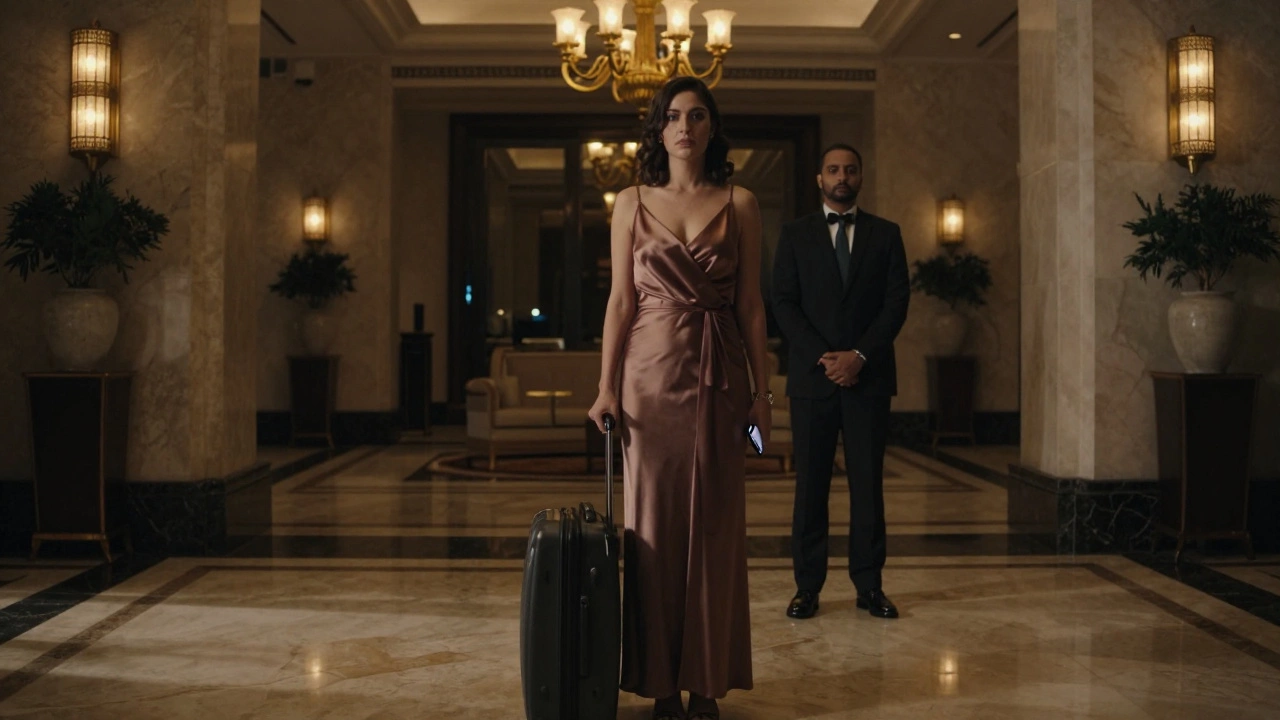
There’s a moment in chapter three where she describes walking into a luxury hotel in Dubai, dressed in a silk dress that cost more than her mother’s monthly rent, carrying nothing but a phone and a suitcase. The doorman didn’t ask for ID. He didn’t need to. She wasn’t there as a guest. She was there because someone had paid for her presence. That’s when you realize this isn’t about sex work. It’s about visibility. And if you’ve ever scrolled past a hot escort dubai ad and wondered what kind of life leads someone there, this book answers it - not with pity, but with precision.
She Didn’t Choose the Streets. The Streets Chose Her.
Doe doesn’t romanticize her life. She doesn’t frame herself as a victim or a revolutionary. She’s just a woman who learned early that the rules were written for people who had safety nets. Her father left when she was seven. Her mother worked two jobs and never looked her in the eye. By sixteen, she was sleeping on couches. By eighteen, she was selling her time in ways no one talked about in school.
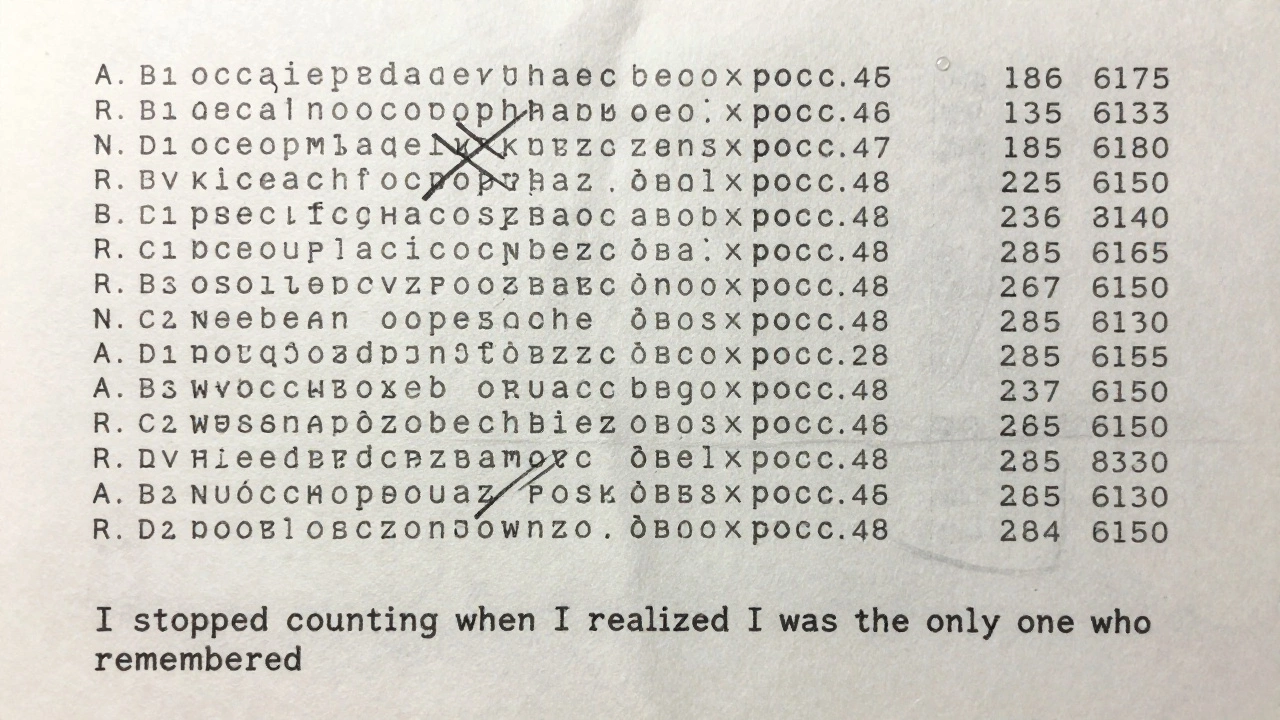
The book’s most haunting chapter is titled “The List.” It’s a single page, typed in Courier font, listing every man she slept with between ages 17 and 23. Not names. Just initials. Dates. Locations. Payment amounts. Some entries are blank. Those were the ones where she didn’t get paid - or worse, got hurt. The list ends with a single line: “I stopped counting when I realized I was the only one who remembered.”
Public Display as Survival
Doe’s central argument isn’t that women should be seen. It’s that women are always seen - whether they want to be or not. The moment she stepped into a club in Atlanta wearing a crop top and jeans, she was labeled. The moment she walked into a corporate office in Chicago wearing a blazer, she was still labeled - just differently. The difference wasn’t her clothes. It was who was watching, and what they expected to get.
She describes being photographed at a protest in 2019, topless, holding a sign that read “My Body Is Not a Protest.” The photo went viral. News outlets called her “brave.” Strangers sent her death threats. Her employer fired her. No one asked why she was topless. No one asked what she was protesting. They just assumed she was performing for them.
That’s the pattern. Women who break silence are treated like entertainment. Women who break rules are treated like threats. Doe doesn’t ask for sympathy. She asks for recognition: she was never performing. She was surviving.
Sex, Power, and the Illusion of Choice
One of the most misunderstood ideas in modern feminism is that choice equals freedom. Doe dismantles that. She worked for a high-end agency in Las Vegas that marketed her as an “elite experience.” Clients paid $2,000 an hour. She had a personal stylist. A driver. A therapist on retainer. It looked like luxury. It felt like captivity.
She writes: “They called me a VIP. But I was never the guest. I was the decoration. The champagne was chilled. The bed was warm. The door locked from the outside.”
That’s where the book connects to the real world - the world of escort dubai vip services, where women are packaged as exclusivity, where the transaction is hidden behind velvet ropes and private elevators. Doe doesn’t condemn the industry. She condemns the myth that anyone who enters it does so freely. She saw women who came from foster care. Women who had student debt. Women who were told they were “lucky” to be chosen.
The Cost of Being Seen
By the final chapter, Doe is living in a small town in Oregon. She works at a library. She doesn’t talk about her past. She doesn’t need to. She doesn’t wear makeup anymore. She lets her hair grow out. She sleeps through the night. But she still wakes up sometimes, trembling, thinking she hears a knock on the door.
She writes: “The worst part wasn’t the men. It was the silence afterward. No one wanted to hear what happened. They just wanted to know if I was okay. I wasn’t okay. But I was alive. And that’s all they cared about.”
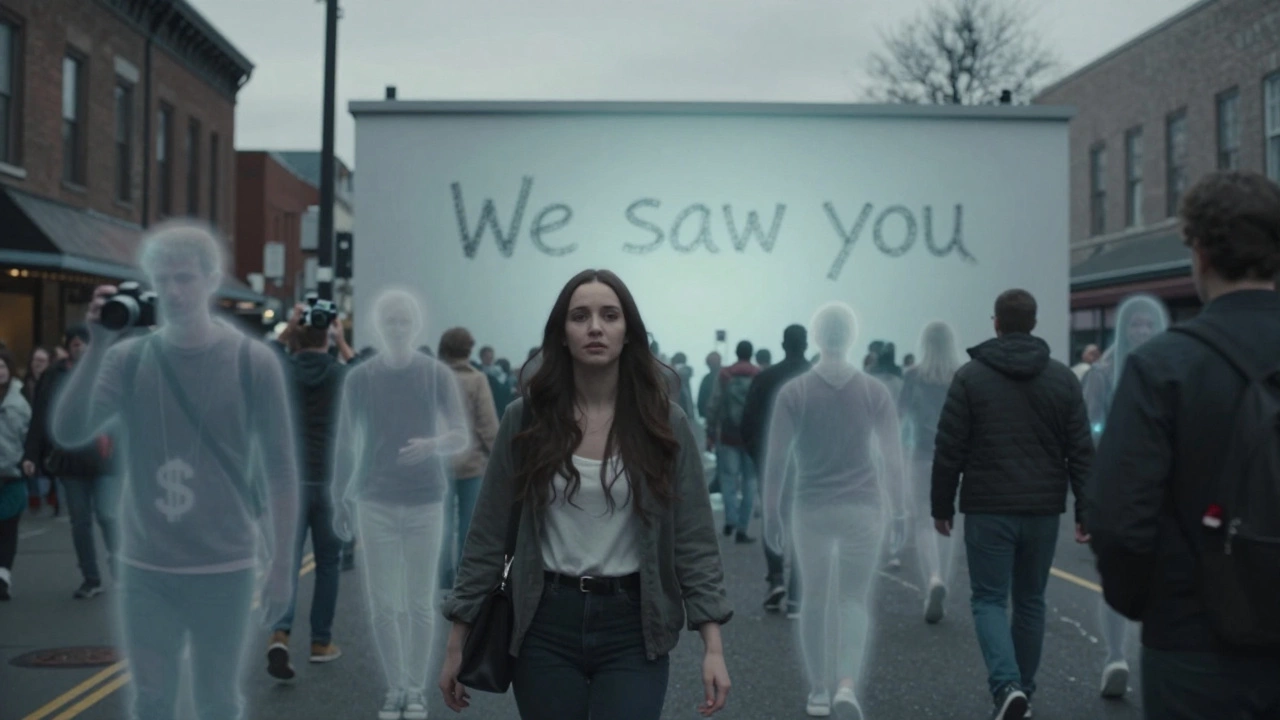
The book ends with a photo - not of her, but of a blank wall. On it, someone has scrawled in chalk: “We saw you.”
What This Book Isn’t
This isn’t a guide to becoming a sex worker. It’s not a cautionary tale. It’s not a call to action. It’s not even a redemption story. It’s a record. A quiet, brutal, unedited record of what happens when a woman is forced to turn her body into currency - and then expected to smile while the world pretends it didn’t happen.
It’s also not about the men. Not really. They’re shadows in the background. The real subject is the system that made her think she had no other option. The system that lets a real escort dubai service exist without accountability. The system that lets women be commodified, then blamed for being too visible.
Who Should Read This
If you’ve ever looked at a woman on the street and assumed you knew her story - read this.
If you’ve ever scrolled through a dating app and thought “she’s just looking for attention” - read this.
If you’ve ever said “she chose that life” - read this.
Doe doesn’t write to convince you. She writes so you can’t look away. And that’s the point.
There’s a line in chapter seven that still haunts me: “They didn’t want to know me. They just wanted to own the version of me they could afford.”
That’s the truth beneath every headline, every ad, every whispered rumor. And this book? It’s the only one that dares to say it out loud.
Why This Matters Now
In 2025, we talk more about consent than ever before. We have apps that track harassment. We have laws that criminalize exploitation. But we still treat women who sell their time as if they’re outside the moral economy - as if their bodies are separate from the rest of us.
Doe shows us that they’re not. She’s the daughter of a waitress. The sister of a nurse. The friend of a teacher. The woman who sits next to you on the subway. She’s not an outlier. She’s the result of a system that has always treated women’s bodies as public property.
And if you think that changed after #MeToo, you haven’t been paying attention.
Final Thought
Wild Girls, Wild Nights doesn’t offer solutions. It doesn’t need to. It just asks you to remember: every woman who’s been reduced to a body, to a service, to a keyword - was once someone who had a name, a dream, and a quiet hope that someone would see her for who she was.
Doe’s book is that moment of seeing. And once you’ve read it, you can’t unsee it.
And if you still think it’s just about sex? Then you haven’t read it at all.