It happened all at once. On June 16, 2026, Google pulled the trigger on its most ambitious software rollout to date, delivering Android 17, the June Pixel Feature Drop, and Wear OS 7 simultaneously. This isn't just a routine patch; it's a coordinated strike across phones, watches, and AI services that fundamentally changes how we interact with our devices.
The update arrived over-the-air (OTA) starting with the Pixel 6 series and newer models, while Pixel Watch owners saw their wrists light up with new capabilities almost immediately. But here's the thing: this release isn't just about bug fixes. It’s about weaving artificial intelligence deeper into the fabric of daily life, from generating music to detecting medical emergencies.
A New Era for Pixel Phones
The headline feature? Gemini Omni. Think of it as Google's next-generation AI experience that doesn't just answer questions—it creates content. With a Gemini Pro subscription, users can turn text descriptions into custom video clips or generate original music tracks complete with lyrics using a tool called Lyria 3. You upload a photo or type a prompt, and boom—you’ve got a song. It’s creative power in your pocket, though it does come with an age restriction (18+) and a price tag.
But not everything requires a subscription. The Screen Recorder app got a massive upgrade with front-camera support. Now, you can record your screen while showing your face via the selfie camera. No green screen needed. It’s perfect for tutorials, reaction videos, or quick gameplay demos. Meanwhile, the Pixel 10a finally gets Voice Translate, a feature previously locked behind flagship models. It translates live calls in real-time, preserving each caller’s unique voice characteristics—a small detail that makes conversations feel surprisingly natural.
For those tired of spam, Call Screen has expanded to India, letting the phone answer unknown numbers for you. And if you’re traveling, Take a Message now rolls out across Europe, Asia, and North America, adding custom greetings and real-time transcripts so you never miss a beat.
Wearables Get Smarter (and Safer)
On the wrist, Wear OS 7 is rolling out to Pixel Watch 2, 3, and 4. The immediate benefit? Battery life. Google claims up to a 10% improvement over Wear OS 6. That might sound modest, but when you’re squeezing every minute out of a smartwatch, it matters.
More importantly, safety features have been unified. Emergency Sharing now integrates with Car Crash, Fall, and Loss of Pulse detection. If your watch senses a hard fall or detects no pulse, it automatically alerts emergency contacts and services. It’s a feature designed to save lives, not just track steps.
Media control has also gotten a facelift. Remote Media Routing lets you manage audio output from your earbuds, speakers, or phone directly from your wrist. Plus, keep an eye out for "Gemini Intelligence" arriving later this year, which will let you build custom dashboards by voice and automate multi-step tasks. Imagine telling your watch to "prepare my morning briefing" and having it pull weather, news, and calendar events onto a personalized widget layout.
Under the Hood: Security and UI Tweaks
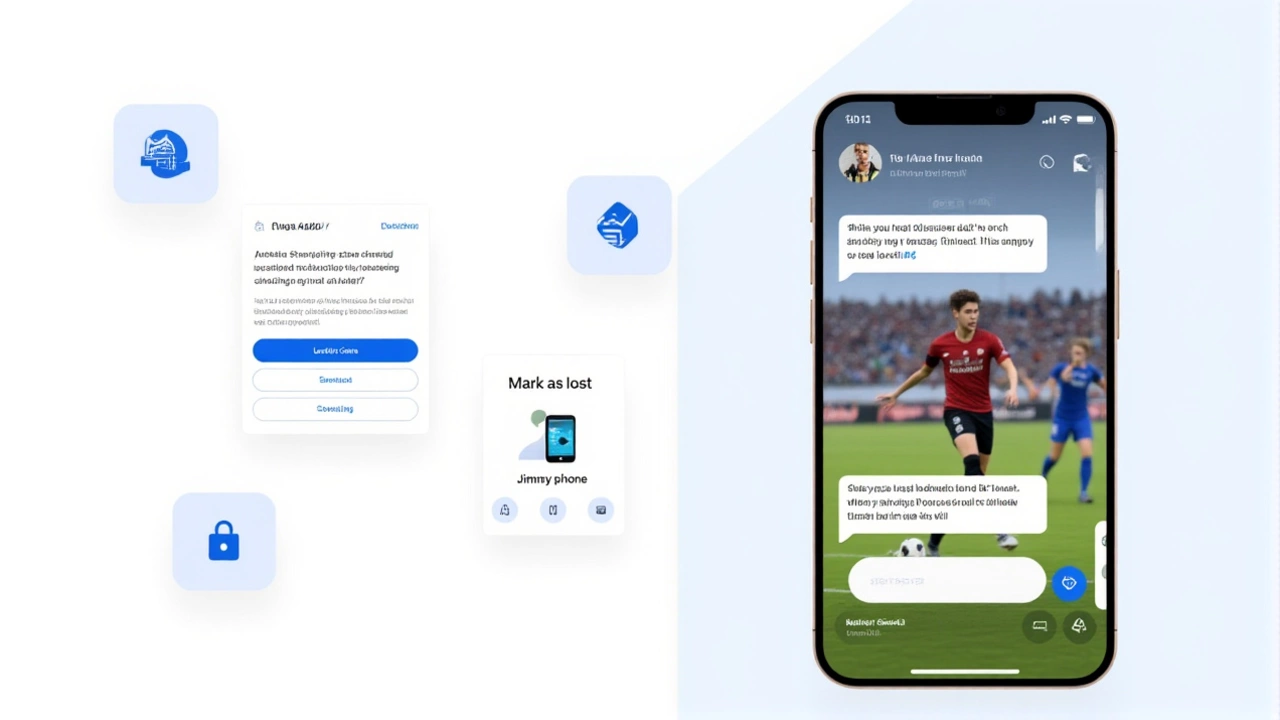
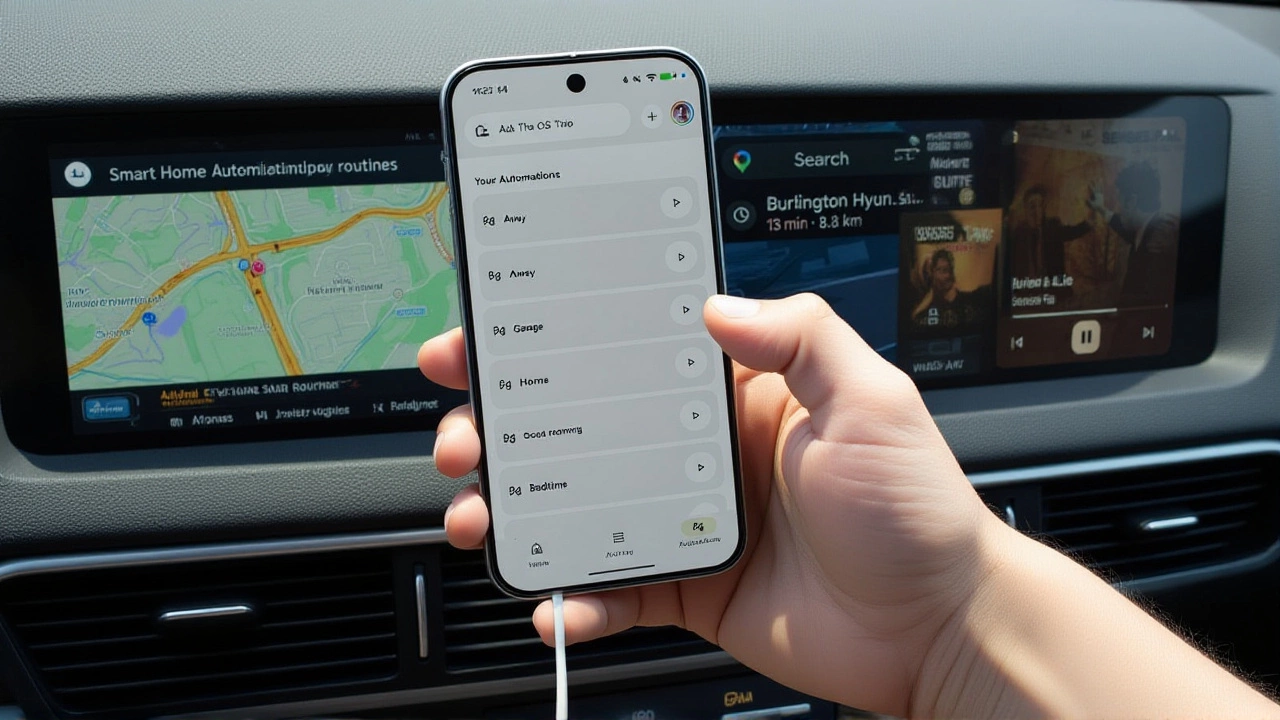
Beyond the flashy AI, Android 17 brings serious security upgrades. You can now grant apps temporary access to your precise location—no more permanent permissions lingering in the background. There’s also tighter PIN-guess limits and an upgraded "Mark as Lost" feature in Find Hub. If your phone goes missing, it locks behind biometrics even if someone knows your passcode. Clever.
User interface changes are subtle but impactful. "Bubbles" allow you to long-press any app icon to float it over other tasks. On foldable Pixels, these bubbles dock into a Bubble Bar for one-tap switching. For gamers, Foldable Gaming Mode splits the screen 50/50, placing a virtual gamepad below the game with native controller remapping. It’s a dedicated gaming experience without needing extra hardware.
Photos enthusiasts in Germany, the UK, France, Spain, and Italy can now edit images conversationally. Just talk to your phone, and Google Photos handles the rest. It’s a small step toward truly voice-first computing.
What’s Next for the Ecosystem?
This launch marks the start of what some are calling the "Android 17 domino chain." While Google leads with Pixel devices, rumors suggest Samsung’s Galaxy Z Fold 8 could be the first non-Pixel device to run stable Android 17. Quick Share interoperability with Apple’s AirDrop ecosystem has also expanded to the Pixel 9a and 8a, bridging the gap between iOS and Android file sharing.
As we move through mid-2026, expect more OEMs to adopt these updates. The integration of AI across platforms—from creative tools to emergency response—is setting a new standard. Whether you’re a creator, a commuter, or just someone who values privacy, this update puts more control in your hands. Literally.
Frequently Asked Questions
Which devices get Android 17 and Wear OS 7?
Android 17 starts rolling out to Pixel 6 and newer models, including the Pixel 10a, 9a, and 8a. Wear OS 7 is available for Pixel Watch 2, 3, and 4. Non-Pixel devices like the Samsung Galaxy Z Fold 8 are expected to follow shortly after the initial launch window in June 2026.
Do I need a subscription for Gemini Omni?
Yes, advanced features like generating custom video clips from text require a Gemini Pro subscription. Additionally, these creative AI tools are restricted to users aged 18 and older. Basic Gemini functions remain free, but the generative capabilities are premium-only.
How does the new Emergency Sharing work?
Emergency Sharing integrates with sensors on your Pixel Phone and Watch to detect car crashes, hard falls, or loss of pulse. When triggered, it automatically calls emergency services and alerts your chosen contacts. Users can customize these settings in the Safety app to ensure accurate notifications.
Can I share files with iPhone users now?
Yes, Quick Share with AirDrop compatibility has expanded to the Pixel 9a and Pixel 8a. This allows seamless file sharing between Android and iOS, iPadOS, and macOS devices. Note that the standard Pixel 8 and 8 Pro do not receive this specific enhancement in this update.
When will Gemini Intelligence arrive on Wear OS?
Google has announced that Gemini Intelligence will roll out to Wear OS 7 later in 2026. This feature will enable users to create custom dashboards via voice commands and automate multi-step tasks, bringing advanced AI assistance directly to your wrist.